
We use cookies
This website uses cookies to improve your browsing experience.
Connect with us on social media


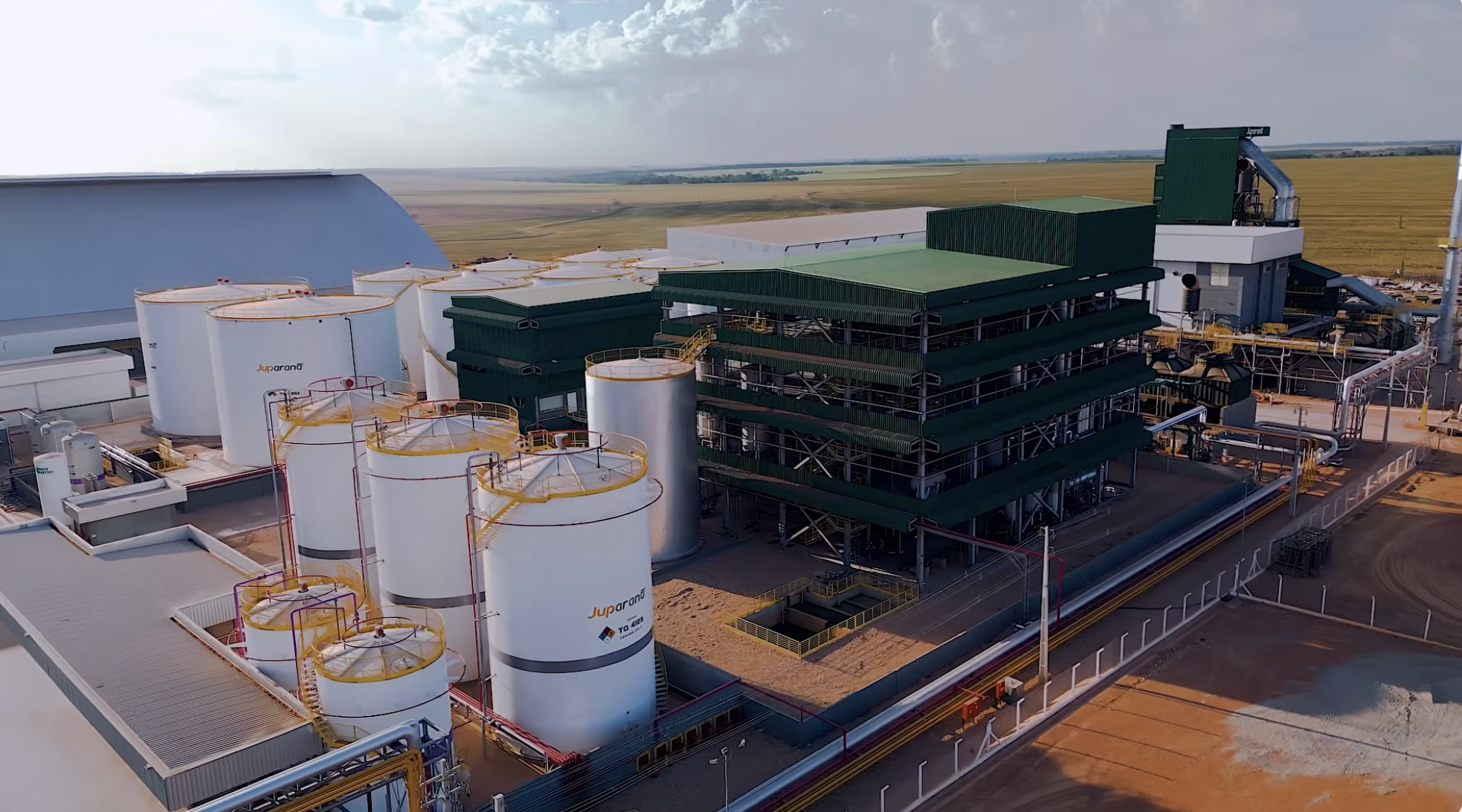
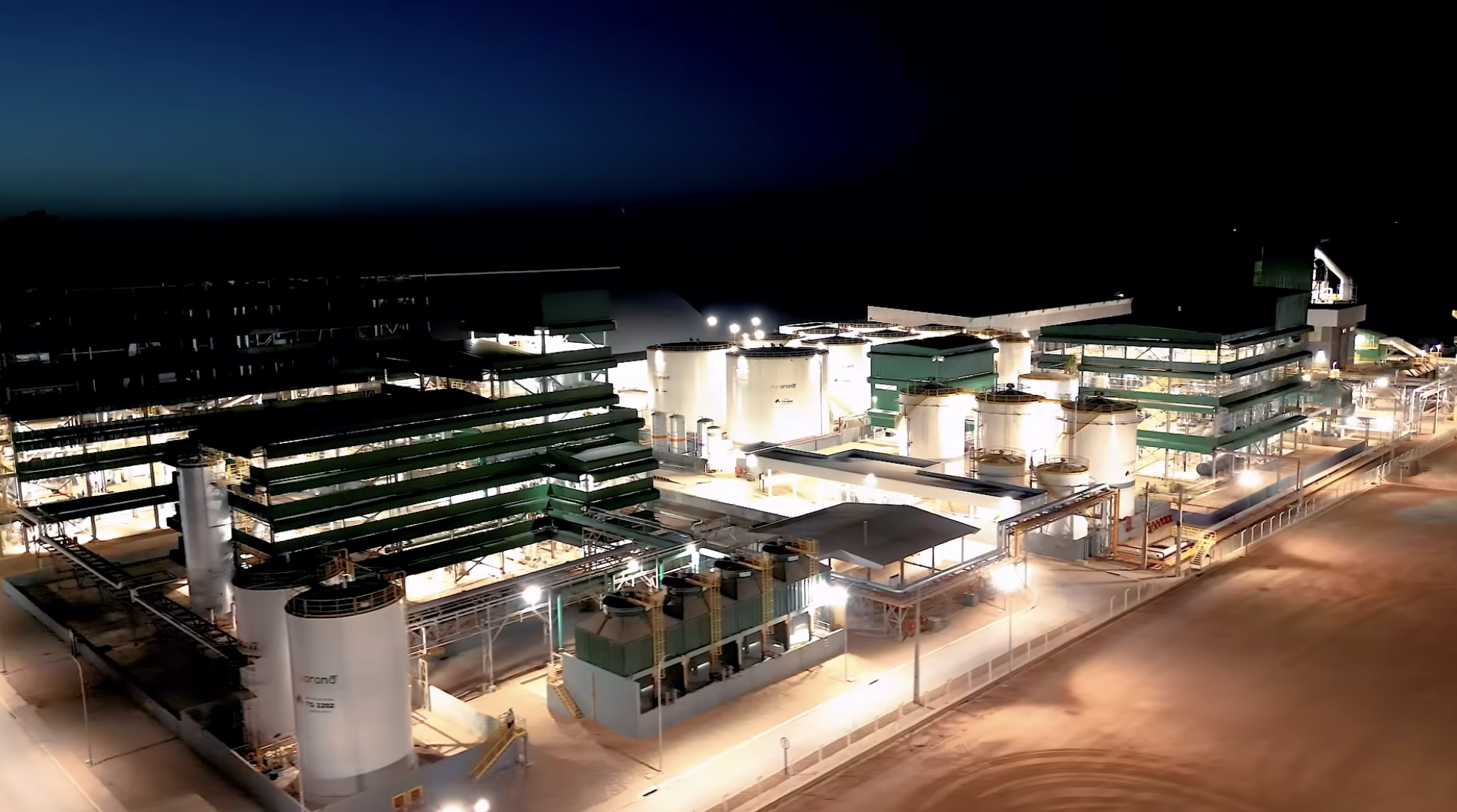
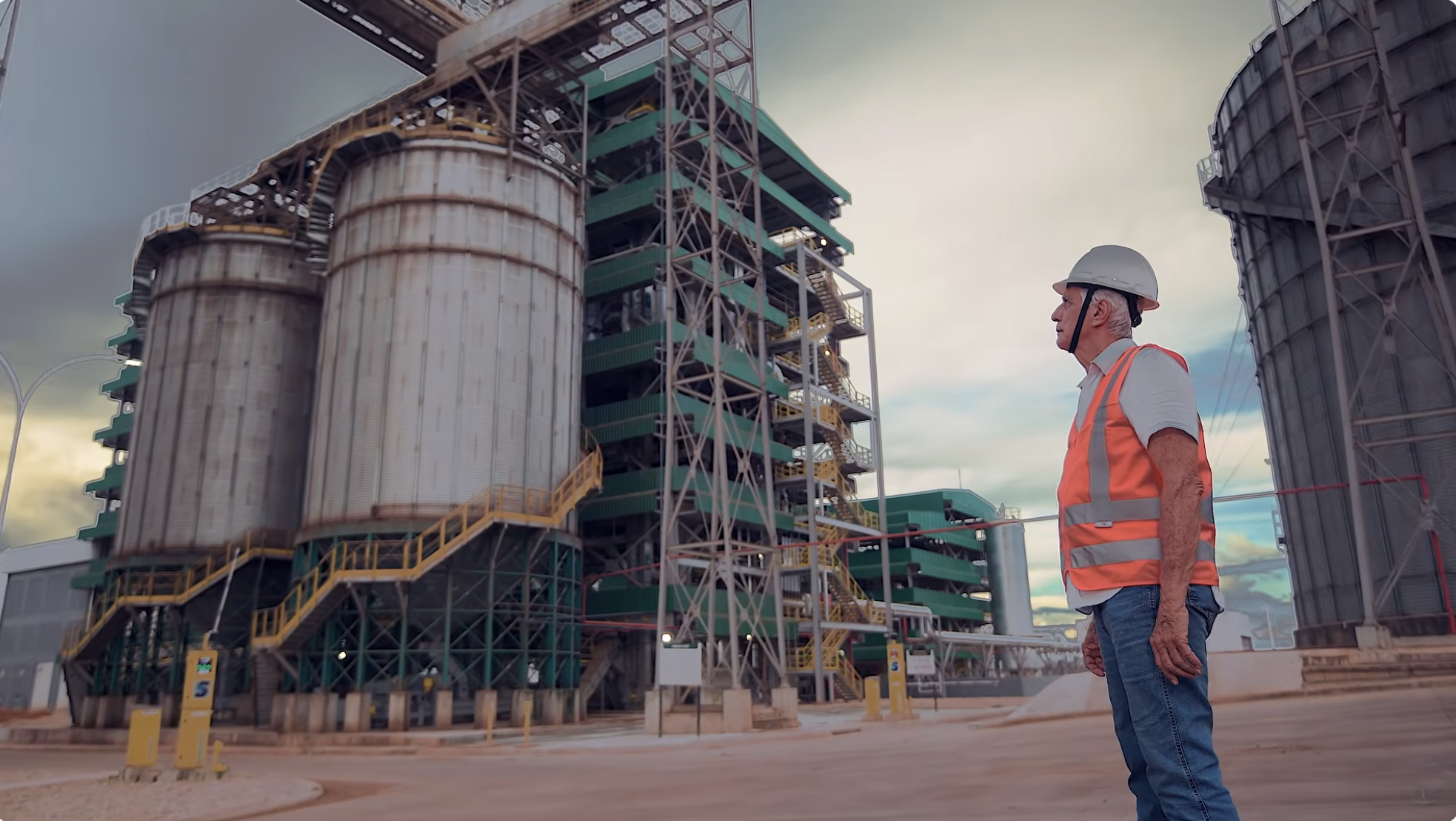
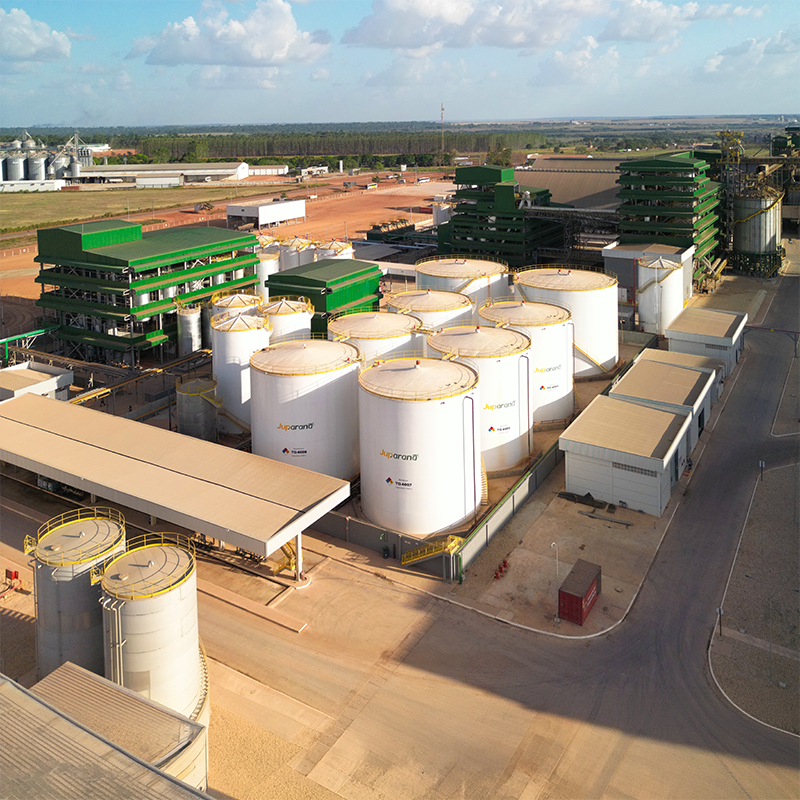
The establishment of the Juparanã soybean processing plant in Paragominas marks a milestone for the region's economic and sustainable development. Boasting one of the largest production capacities in the North of Brazil, the facility transforms local agricultural output into higher value-added products, strengthens the soybean supply chain, and expands opportunities within the regional market.
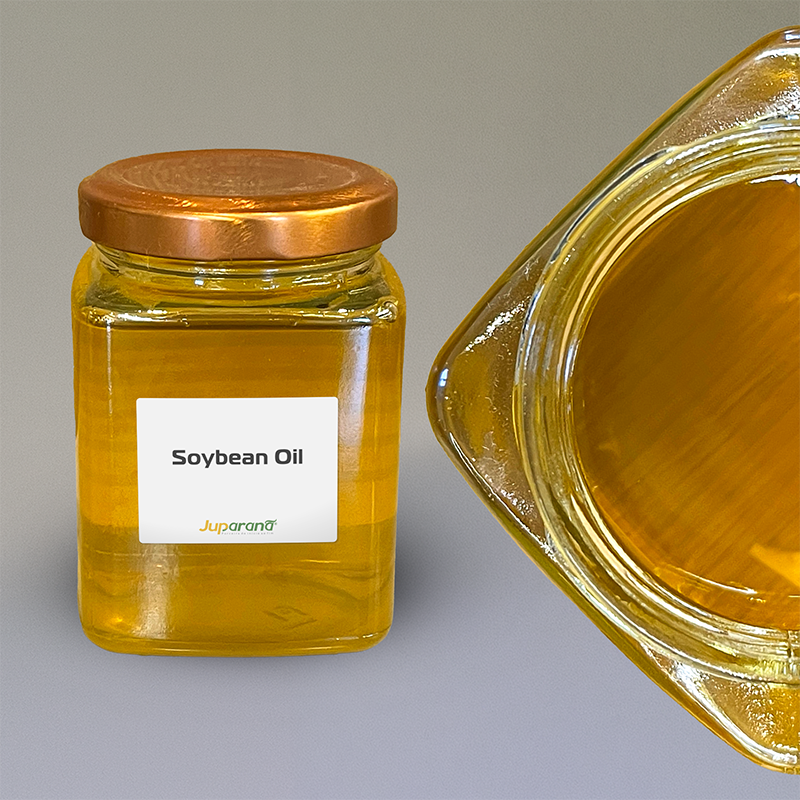
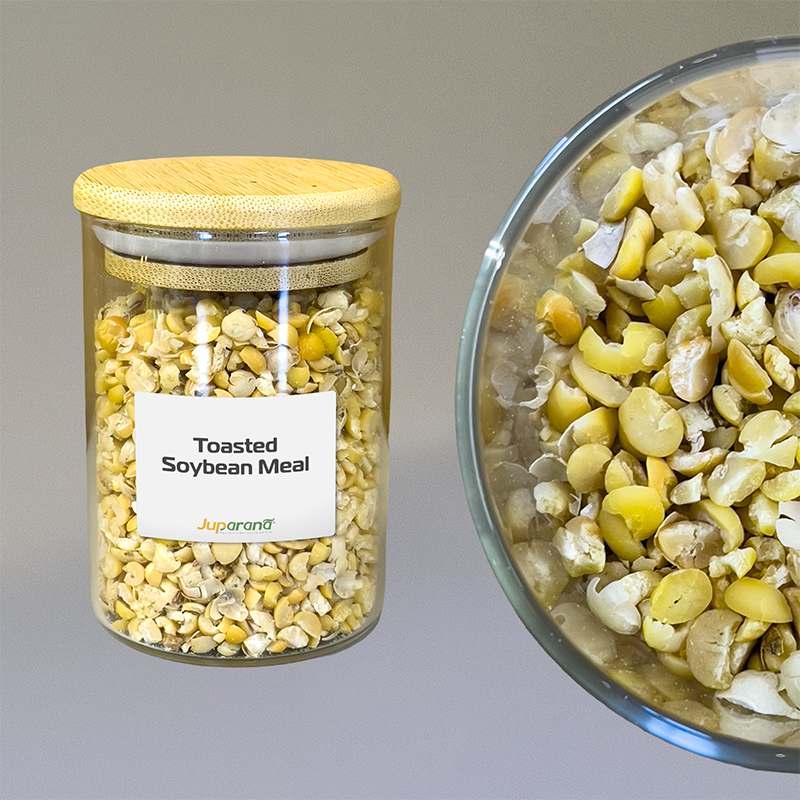
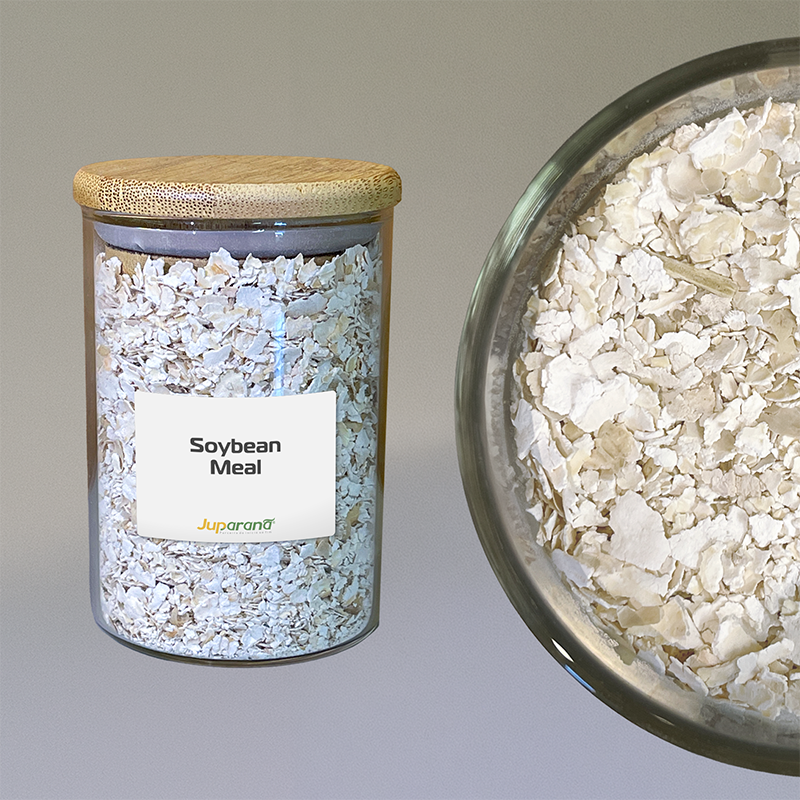
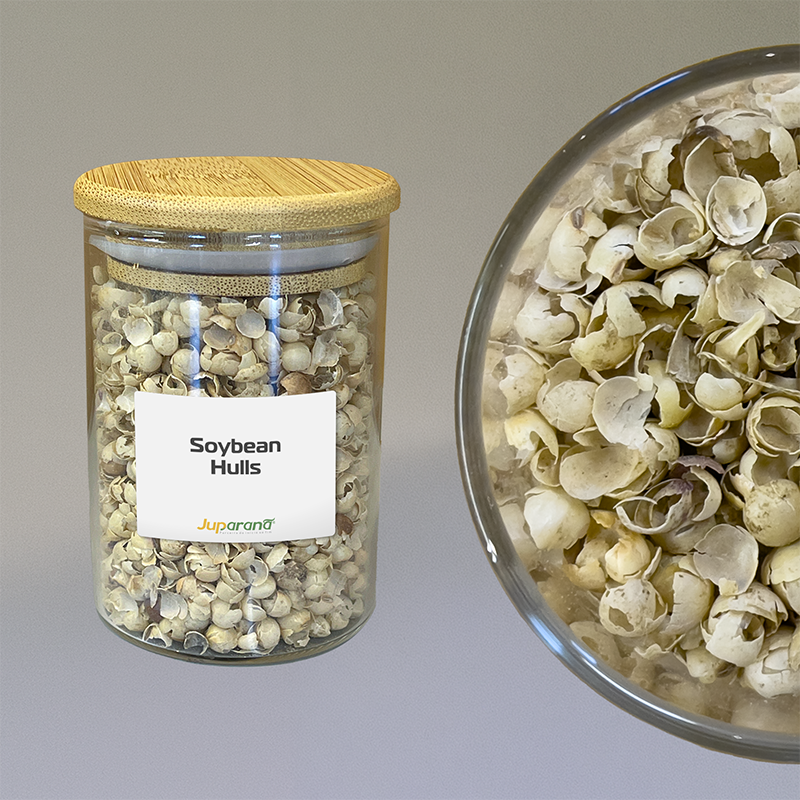
With the capacity to process 3,000 tons of soybeans per day—equivalent to approximately 50,000 bags—the plant produces roughly 2,200 tons of soybean meal and 600 tons of vegetable oil daily, in addition to pelleted soybean hulls and biodiesel.
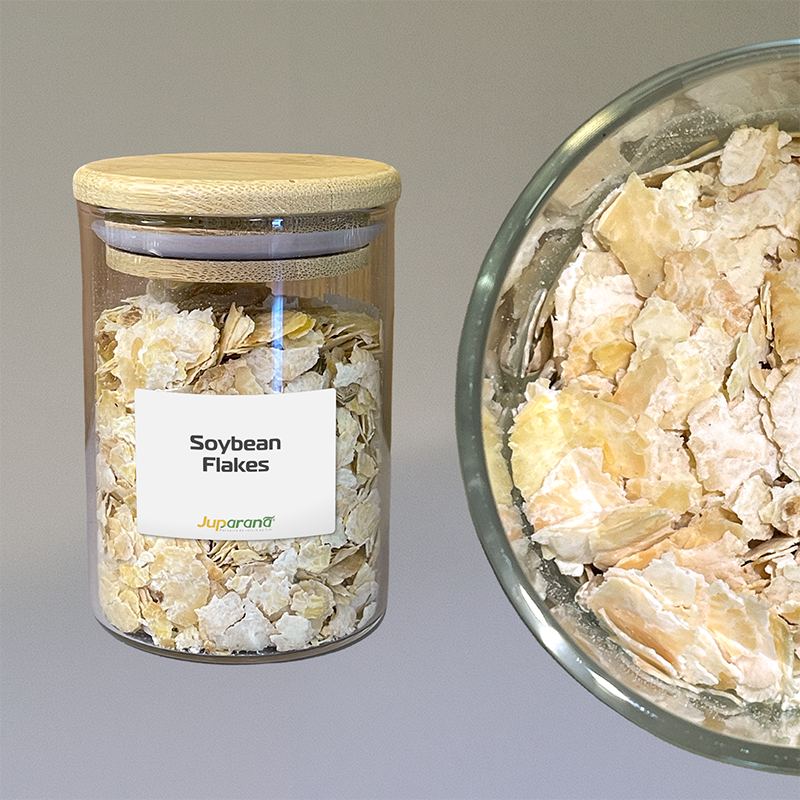
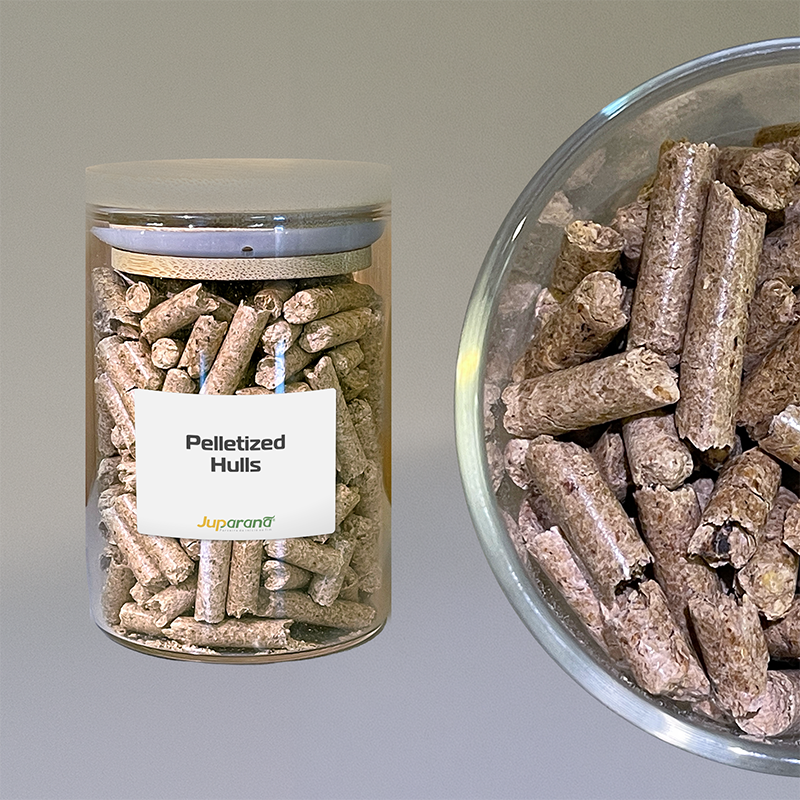
Soybean meal, rich in protein, is widely used in animal nutrition and serves as a key ingredient in the formulation of feed for various production chains. Pelleted soybean hulls are also utilized in animal feed, primarily as a fiber source for ruminants. Meanwhile, the vegetable oil serves both the food and industrial sectors, while also acting as a raw material for the production of biodiesel—a renewable alternative to fossil fuels.
By utilizing various components of the soybean, the operation enhances processing efficiency, minimizes waste, and generates strategic products for animal nutrition, industry, and the energy sector. In doing so, it cements Paragominas’s position as a significant agro-industrial hub and drives a new cycle of development, innovation, and value creation for the region.
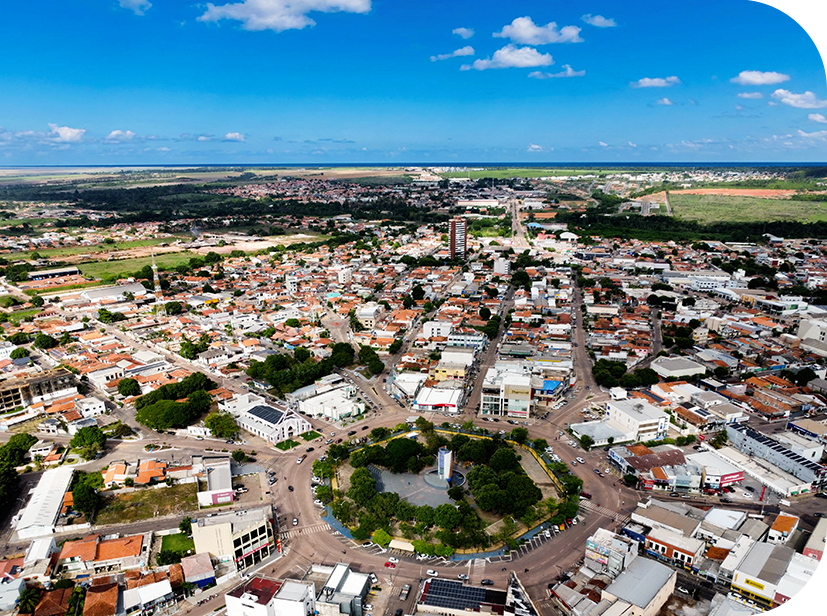
The soybean processing industry drives regional development, energizing the local economy and creating an environment conducive to new investments. It encourages the establishment of complementary ventures—such as animal feed mills, meatpacking plants, and other industries linked to the livestock production chain—thereby expanding business opportunities and strengthening the entire productive ecosystem.
Beyond boosting existing projects, industrial expansion accelerates the vertical integration of production, adding value to the soybeans grown in the region. This generates employment and income while enhancing competitiveness, all based on a sustainable and integrated production model.
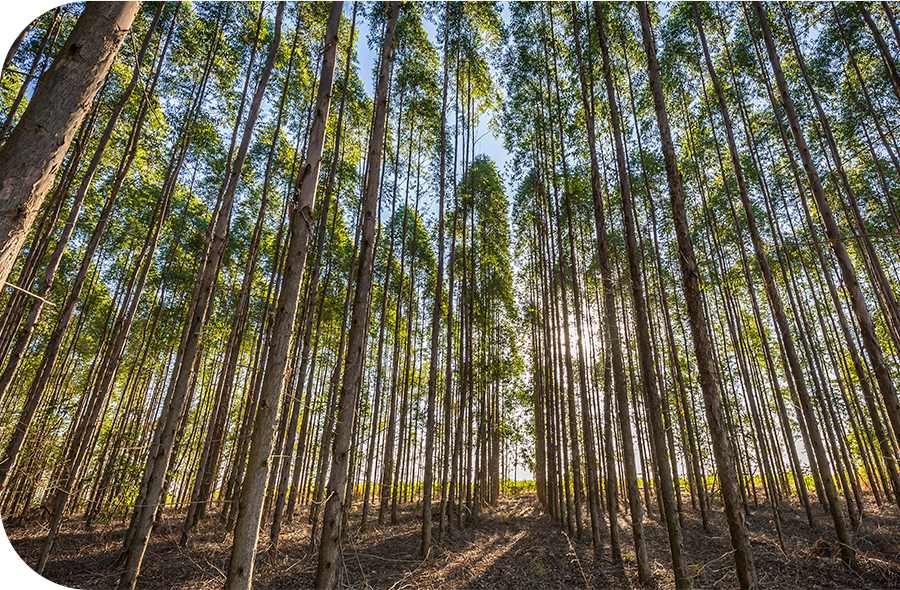
The industrial plant was developed using cutting-edge technology, prioritizing energy efficiency and the rational use of natural resources. A key feature is the use of biomass sourced from reforestation areas to generate steam and energy, reinforcing the company’s commitment to sustainable practices and the circular economy.
The result is a modern, integrated, and environmentally responsible operation, capable of meeting market demands while maintaining high quality standards and respecting the environment.
The soybean processing industry in Paragominas is more than just a productive investment—it is a regional development project that boosts the economy, strengthens agribusiness, and creates opportunities for the entire community.
Driven by technology, sustainability, and a forward-looking vision, it establishes a new cycle of prosperity for the state of Pará and for Brazilian agribusiness.

This website uses cookies to improve your browsing experience.